Government
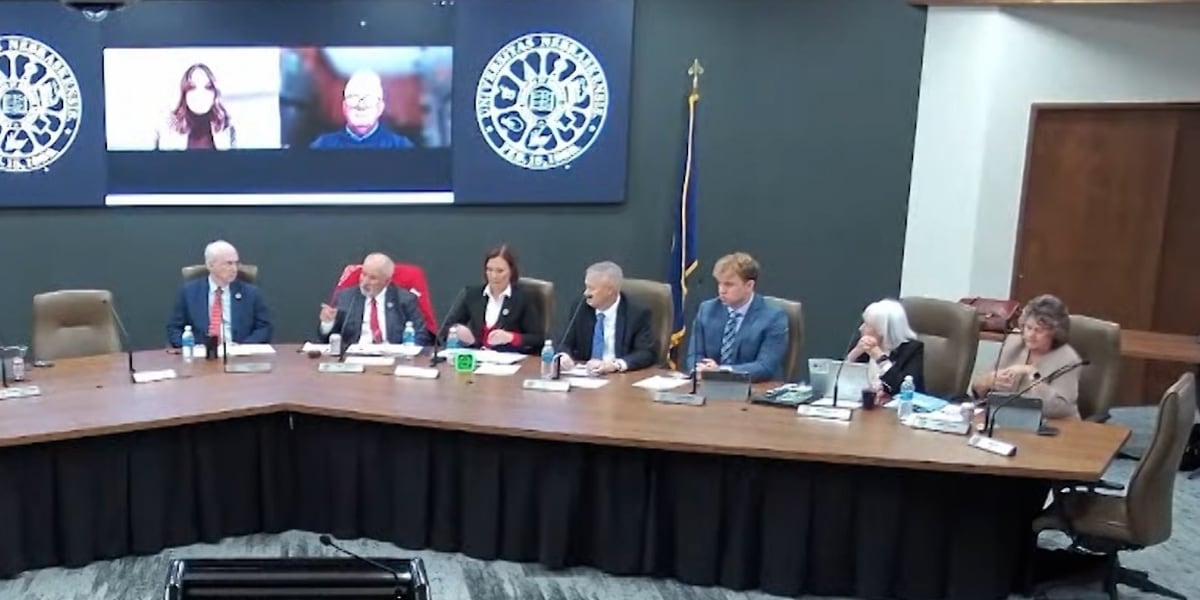
Nebraska regents call emergency meeting on Nebraska Medicine
The University of Nebraska Board of Regents has called an emergency meeting for Friday at 10:30 a.m. at Varner Hall in Lincoln.

Every fact linked to the outlet that reported it.
Local news for Lincoln and the area, from On the record
Government
The University of Nebraska Board of Regents has called an emergency meeting for Friday at 10:30 a.m. at Varner Hall in Lincoln.

Police & courts
Father, son die in home explosion after trying to start wood-burning fireplaceLancaster County Sheriff’s Office (LSO) deputies were called to the home near Lincoln shortly before 9 p.m.
Police & courts
SRO Nolan Hauser arrested two after Lincoln High trespassingSports
Nebraska’s Bergen Reilly, Olivia Mauch Earn Big Ten Postseason Honors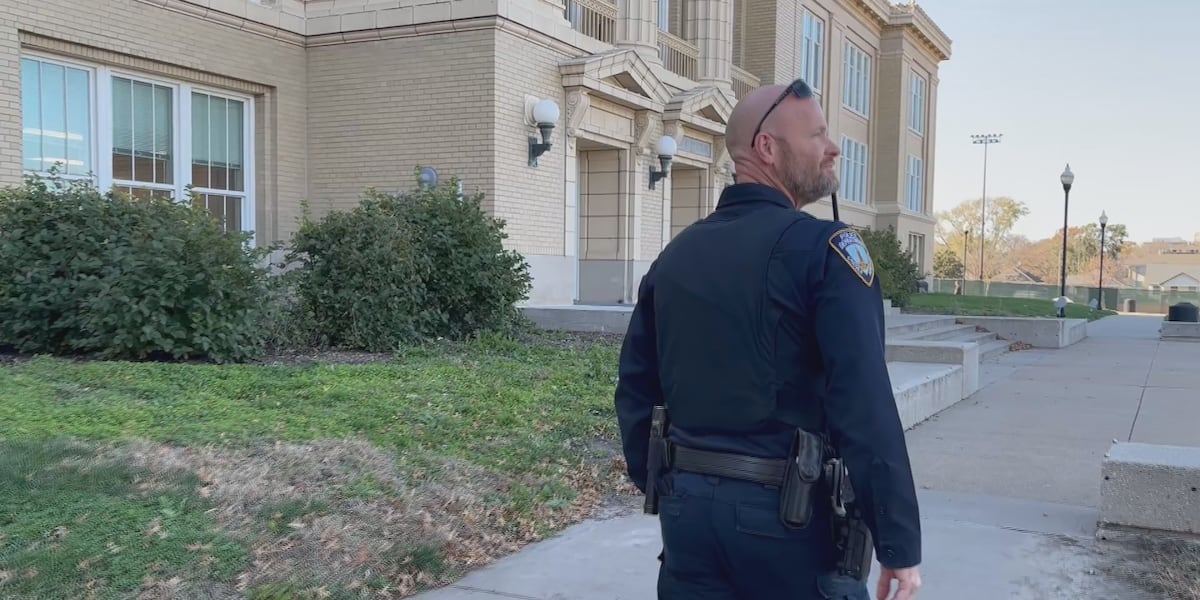
No police or courts stories from Lincoln this week. Police & fire
8 On the record stories placed here in the past seven days, from 2 local newsrooms and the wires.
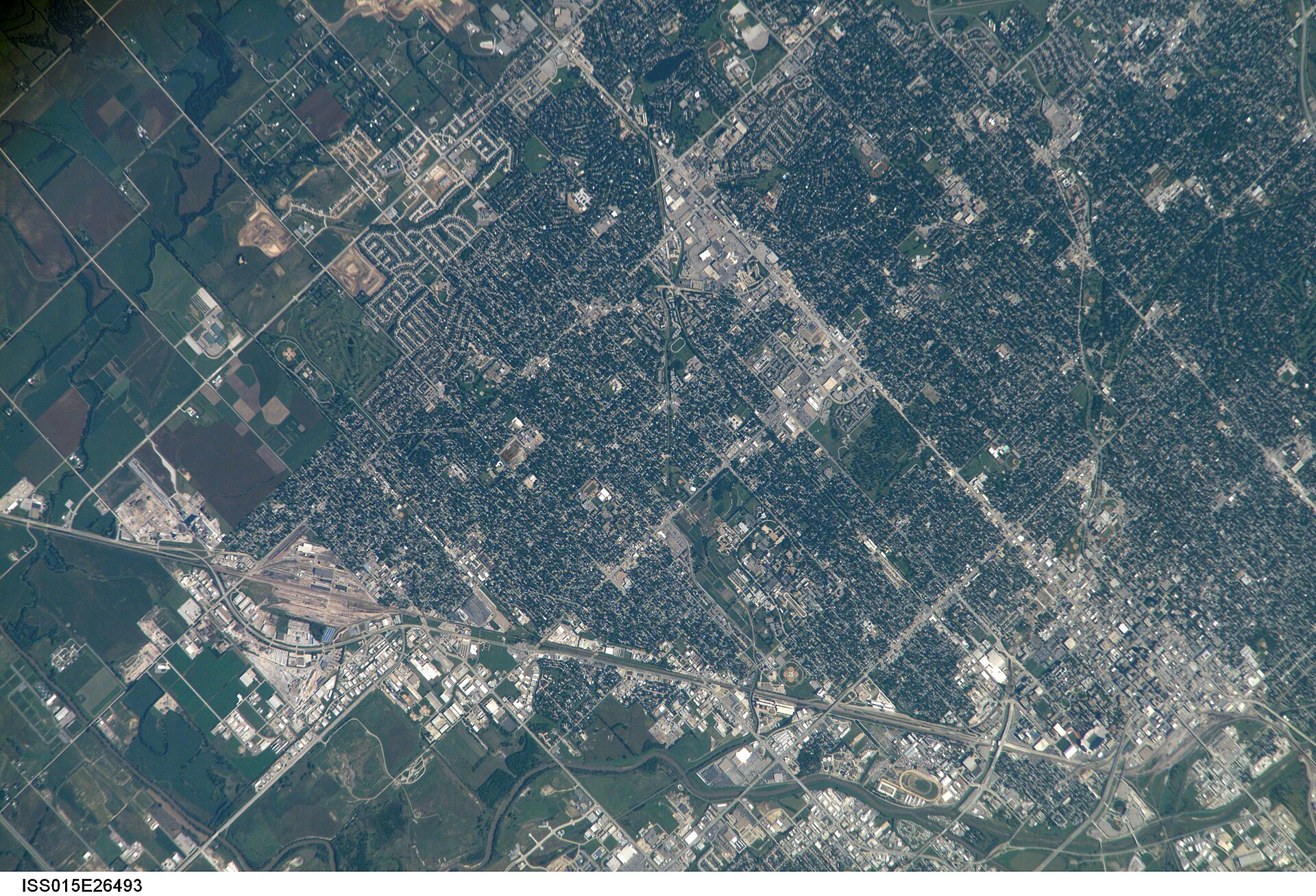
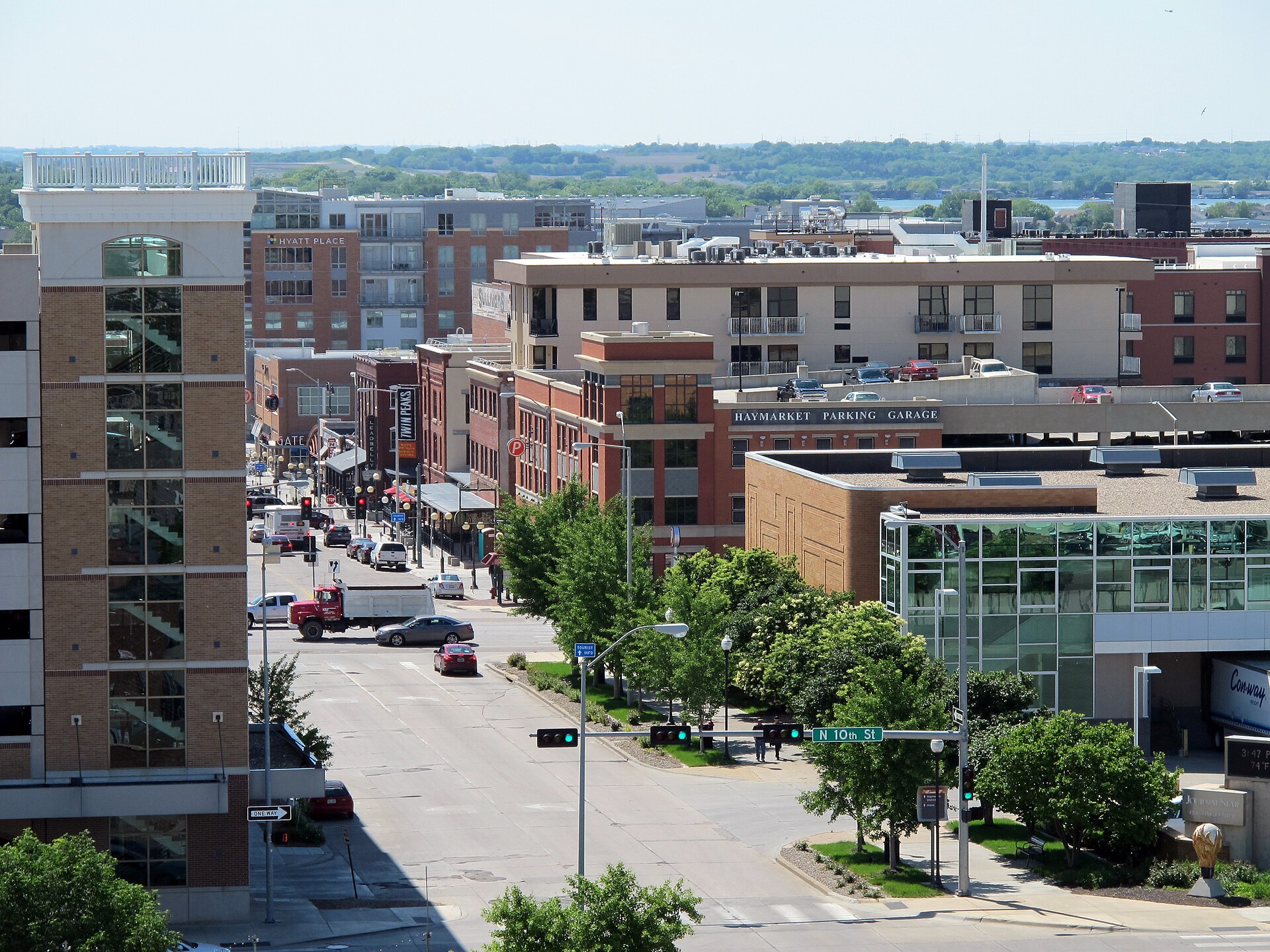
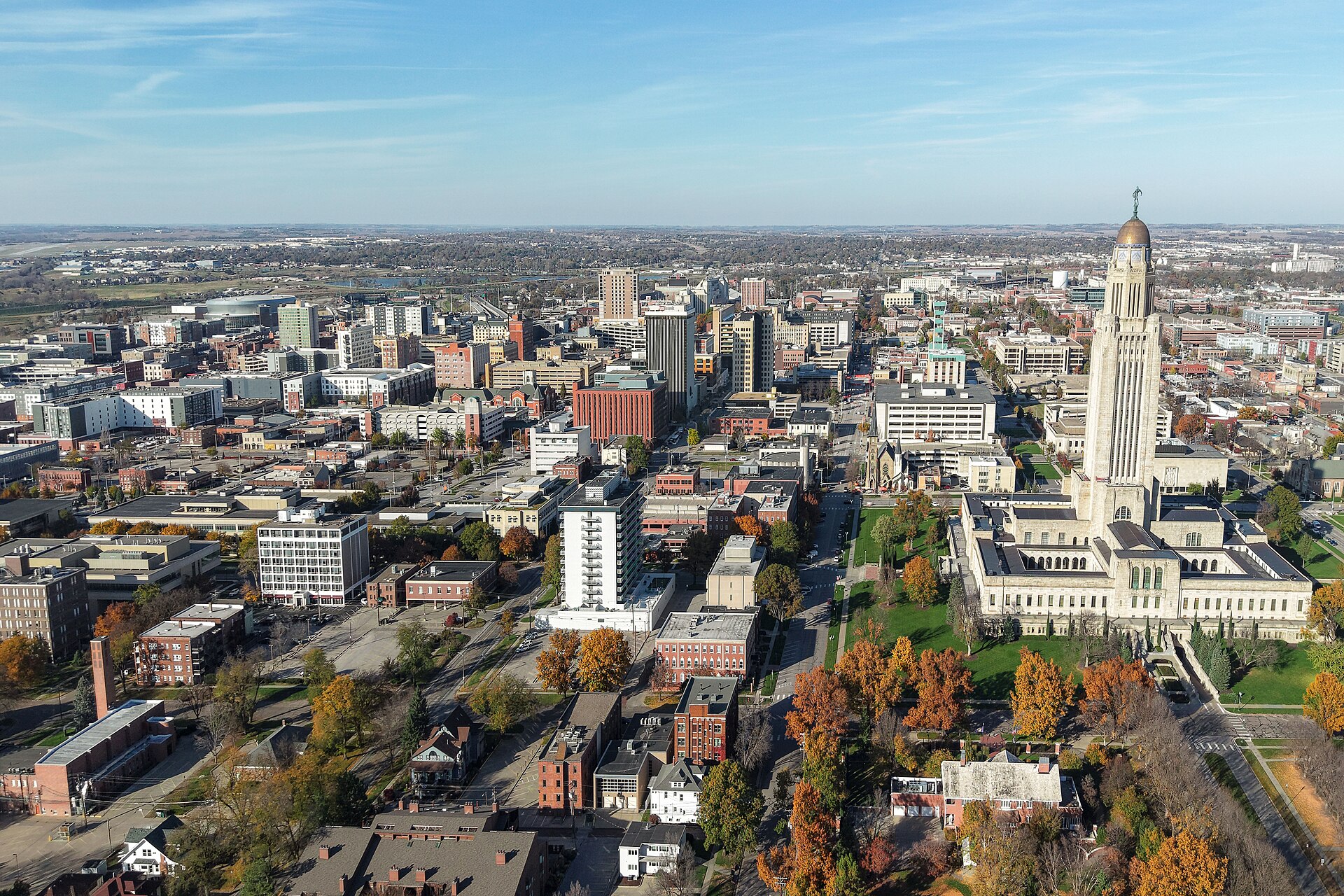
Lincoln is the capital city of the U.S. state of Nebraska. The city covers 103.9 square miles (269.1 km2) and had a population of 291,082 as of the 2020 census. It is the second-most populous city in Nebraska and the 72nd-most populous in the United States. The county seat of Lancaster County, Lincoln is the economic and cultural anchor of the Lincoln, Nebraska metropolitan area, home to approximately 345,000 people.
Before the expansion westward of settlers, the prairie was covered with buffalo grass. Plains Indians, descendants of indigenous peoples who occupied the area for thousands of years, lived in and hunted along Salt Creek. The Pawnee, who included four tribes, lived in villages along the Platte River. The Great Sioux Nation, including the Ihanktonwan and the Lakota, to the north and west, used Nebraska as a hunting and skirmish ground, but did not have any long-term settlements in the state. An occasional buffalo could still be seen in the plat of Lincoln in the 1860s.
Lincoln was founded in 1856 as the village of Lancaster and became the county seat of the newly created Lancaster County in 1859. The village was sited on the east bank of Salt Creek. The first settlers were attracted to the area due to the abundance of salt. Once J. Sterling Morton developed his salt mines in Kansas, salt in the village was no longer a viable commodity. Captain W. T. Donovan, a former steamer captain, and his family settled on Salt Creek in 1856. In 1859, the village settlers met to form a county. A caucus was formed and the committee, which included Donovan, selected Lancaster as the county seat. The county was named Lancaster. After the passage of the 1862 Homestead Act, homesteaders began to inhabit the area. The first plat was dated August 6, 1864.


History and facts from Wikipedia (CC BY-SA 4.0) and Wikidata; photos from Wikimedia Commons, credited on each.
 On the Omaha